


What A Tourniquet Is Used For?
A tourniquet is a medical device designed to apply controlled pressure around a limb. Depending on the type of tourniquet and the situation, it is used either to temporarily restrict venous blood flow to make veins easier to access or to stop life-threatening bleeding in emergency trauma care. In clinical settings, tourniquets are also used during certain surgical procedures to reduce blood in the operative field.
Because tourniquet types are purpose-specific, it is important to match the product to the intended use. This article focuses on common medical uses and explains where disposable tourniquets fit into daily workflows. You can view KIMAO options here: disposable tourniquet.
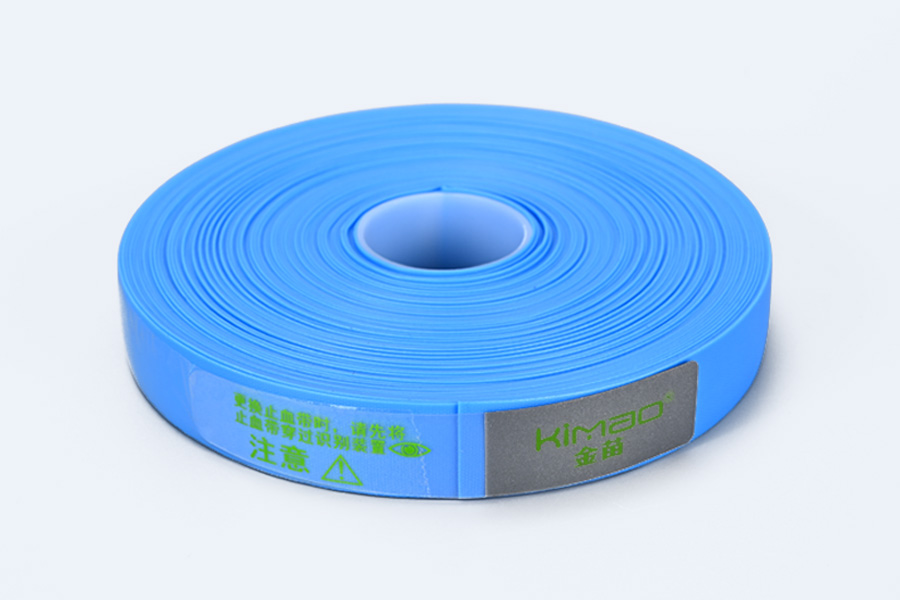
The Two Main Purposes Of A Tourniquet
Tourniquet use generally falls into two categories, and the difference matters for safety, procurement, and training.
Venous Stasis For Vein Access
In phlebotomy and IV procedures, a tourniquet is used to slow venous return while keeping arterial flow intact. This increases venous filling so veins appear more prominent and easier to enter. Many venipuncture policies recommend keeping tourniquet time short, commonly not exceeding about 60 seconds, to reduce the risk of hemoconcentration and related pre-analytical variability.
Arterial Occlusion For Bleeding Control
In trauma care, a tourniquet may be used to stop severe external bleeding from an arm or leg when direct pressure is insufficient or not feasible. This is an emergency measure and typically requires dedicated hemorrhage-control tourniquets and proper training.
Disposable tourniquets are commonly designed for vein-access workflows, where hygiene, speed, and consistent tension handling are priorities.
Common Clinical Uses Of Tourniquets
Tourniquets appear in many healthcare environments, but the use case determines the correct type, the acceptable application time, and the disposal or reprocessing method.
Blood Draws And Phlebotomy
A tourniquet is frequently used during venipuncture to improve vein visibility and stability. The objective is easier site selection and faster successful access, while maintaining patient comfort. Guidance commonly emphasizes minimizing application time, often using a one-minute limit as a practical benchmark.
IV Cannulation And Vascular Access
For peripheral IV insertion, a tourniquet helps distend veins to improve first-stick success and reduce repeated attempts. In busy clinical environments, consistent tourniquet technique supports workflow efficiency and patient experience.
Surgery And Procedure Support
In some surgical contexts, tourniquets are used to reduce blood flow to the operative area, which can improve visibility for the clinician. These are specialized medical tourniquet systems with defined pressure settings and monitoring requirements, distinct from routine disposable tourniquets.
Emergency Bleeding Control
Tourniquets can be life-saving for catastrophic extremity bleeding. This is not a routine-use scenario and should follow recognized emergency guidance and training. Professional medical sources emphasize that correct placement and management require training and that once applied in a severe bleed scenario, it should be managed by trained responders and emergency services.
Practical overview of use cases:
| Use Case | Primary Goal | Typical Tourniquet Type | Key Operational Priority |
|---|---|---|---|
| Blood draw | Improve vein access | Disposable venipuncture tourniquet | Short application time and hygiene |
| IV start | Improve first-stick success | Disposable venipuncture tourniquet | Consistent tension and quick release |
| Surgery | Reduce blood in field | Pneumatic or surgical system | Pressure control and monitoring |
| Severe limb bleeding | Stop life-threatening hemorrhage | Emergency hemorrhage-control tourniquet | Trained use and escalation |
Why Disposable Tourniquets Are Widely Used
Disposable tourniquets are popular in settings where infection prevention and cross-contamination risk management are part of standard procedure design. Studies and infection-control discussions have documented microbial contamination on reusable tourniquets and often recommend disposable options to reduce cross-patient transmission risk.
Operational reasons facilities choose disposable tourniquets:
Cleaner workflow for high-throughput blood collection and IV areas
Reduced dependency on cleaning compliance for reusable items
Simplified inventory control and consistent availability at point of care
Lower risk of deterioration from repeated laundering or disinfectant exposure, which can affect elasticity and performance over time
For facilities building standardized kits, disposable tourniquets also support consistent pack-out and predictable handling across different departments.
What To Consider When Selecting A Tourniquet For Routine Use
Not all tourniquets perform the same in daily venipuncture or IV workflows. Procurement decisions should consider both clinical handling and operational constraints.
Material And Comfort
The tourniquet should provide stable tension without pinching or slipping, especially during quick applications. Comfort matters because unnecessary pain can increase patient anxiety and movement during access.
Ease Of Use And Quick Release
Fast release supports short tourniquet time targets and reduces workflow friction. Many policies emphasize keeping restriction time as short as possible for routine procedures.
Single-Patient Use Protocol Fit
If your infection-control program prefers single-use or single-patient assignment, selecting a disposable format simplifies compliance and auditing.
Packaging And Logistics
Consider how tourniquets will be stored and dispensed. Individual packaging can support clean handling in mobile carts and point-of-care kits. Bulk packaging can reduce waste and improve cost efficiency depending on your facility flow.
For teams evaluating standardization across sites, KIMAO provides disposable tourniquet options that fit routine blood draw and IV access workflows, with support for specification alignment and customization needs.
Conclusion
Tourniquets are used mainly for two purposes: supporting vein access in routine clinical procedures and controlling severe extremity bleeding in emergencies. In everyday healthcare settings, disposable tourniquets are widely used for blood draws and IV starts because they support hygienic workflows, consistent handling, and straightforward protocol compliance. Selecting the right tourniquet requires matching the product to the use case, with attention to comfort, tension stability, quick release, and infection-control practices.
If you want help selecting disposable tourniquets for your clinical workflow, contact KIMAO with your application scenario, usage volume, and packaging preference. We can provide practical guidance and customization support through our disposable tourniquet offering.
Previous: