


What Is Tourniquet?
A tourniquet is a medical device used to apply pressure around a limb to temporarily restrict blood flow. In everyday clinical work, it is most often used before blood collection, venipuncture, or IV placement, because gentle compression helps veins become easier to see and access. In other situations, a tourniquet may also be used to help control serious bleeding for a short period under proper medical judgment.
This simple definition explains the product, but for professional buyers, the topic goes much further. Hospitals, clinics, laboratories, distributors, and medical procurement teams do not only ask what a tourniquet is. They also need to know what kind of tourniquet fits daily workflow, infection control standards, skin sensitivity concerns, storage efficiency, and stable bulk supply. That is where product choice starts to matter.
Why Tourniquets Are Still Essential In Routine Medical Use
In many medical settings, speed and consistency matter as much as the procedure itself. A tourniquet is a small item, but it plays a direct role in helping staff locate veins more efficiently and complete blood draws or infusion work more smoothly. When the tourniquet performs well, the whole procedure often becomes easier for both staff and patient. When it performs poorly, discomfort, delay, and repeated attempts can become more likely.
This is one reason disposable tourniquets have become increasingly important in modern clinical environments. Buyers are no longer looking only at elasticity. They are also thinking about hygiene, single-use control, material safety, packaging convenience, and procurement stability. For B-end customers, these are practical concerns, not minor details. A product used many times each day must support the pace of real medical work.
What Makes A Disposable Tourniquet Different
A disposable tourniquet is designed for single-patient or single-procedure use, then discarded after use. This approach is important because it helps reduce the risk linked to repeated handling and reuse. In busy medical environments, single-use products are often preferred when infection control is a priority and workflow efficiency also matters.
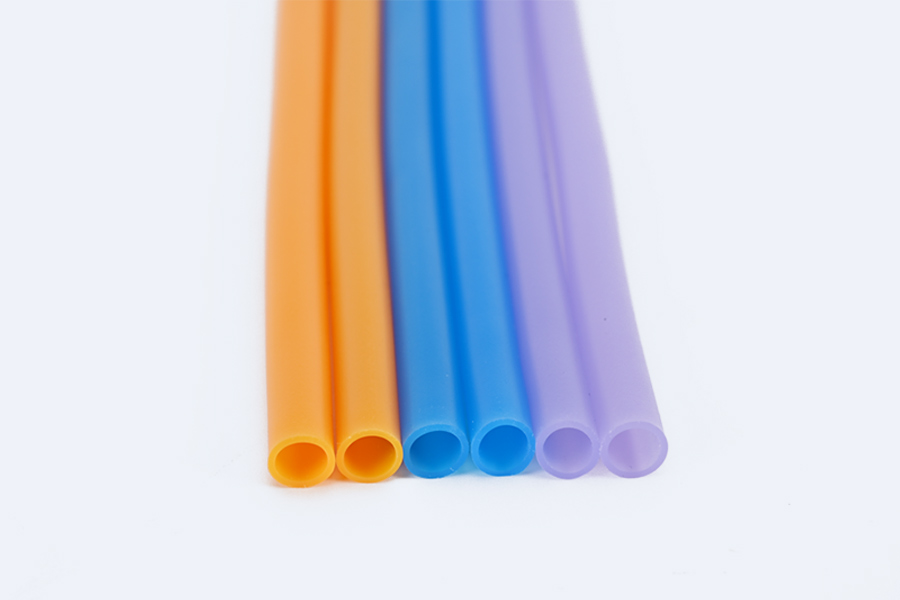
Our product fits naturally into this topic because it is a TPE disposable tourniquet tube developed for routine medical use. It offers the basic function expected from a tourniquet, while also answering several issues that matter to procurement teams. Instead of relying on traditional latex-based material, it uses TPE, which helps support latex-free positioning and a more comfortable user experience in settings where skin sensitivity is a concern. For importers, wholesalers, and healthcare distributors, that material direction is often easier to promote in modern medical supply lines.
Why Material Choice Matters In Tourniquet Sourcing
Not all tourniquets feel the same in use. Material affects elasticity, skin contact, odor, powder residue, storage condition, and overall user confidence. Buyers often discover that a low-cost product may create problems later, especially when used in high-volume healthcare environments. It may feel too stiff, too weak, or too inconsistent from one batch to the next. Those small issues can quickly become purchasing headaches when the product is used at scale.
That is why TPE has gained attention in this category. A TPE disposable tourniquet tube gives buyers a practical balance between flexibility and comfort. It also supports latex-free and powder-free positioning, which is valuable in environments where product safety language, skin contact, and cleaner handling are taken seriously. For procurement teams, this is not only a material upgrade. It is also a way to reduce complaints, improve acceptance in sensitive-use scenarios, and strengthen product competitiveness in tenders or long-term supply programs.
Why B-End Buyers Look Beyond The Product Name
When buyers search for what a tourniquet is, many are not looking for a textbook answer alone. They are also comparing suppliers. They want to know whether the manufacturer understands real medical use, whether production is stable, whether certifications and packaging are manageable, and whether customization is possible for market-specific needs.
This is where supplier capability becomes part of the article naturally. A distributor may need a reliable product for hospital channels. A wholesaler may want private label support. A project buyer may need steady bulk order delivery with fewer quality fluctuations. In all of these cases, the tourniquet is not just a low-value consumable. It is part of a healthcare workflow, and any inconsistency can affect customer trust.
Our product is suitable for this kind of sourcing logic because it is positioned as a disposable medical consumable with practical specification flexibility. Color and size customization can help buyers match local demand more easily, and a supplier that supports OEM or private label cooperation can make the product line easier to adapt for regional channels or brand programs.
What Buyers Usually Care About Most
In real purchasing conversations, buyers often focus on a few practical points. They want the tourniquet to be elastic enough for reliable use, but not uncomfortable in application. They want packaging that is easy to store and issue in clinics or labs. They want material that avoids unnecessary allergy concerns. They also want consistent production, because variation between batches can create trouble in both clinical use and distribution.
Another common concern is cross-contamination risk. This is why single-use tourniquet products continue to gain preference in many settings. A disposable format can simplify management, reduce the burden of reprocessing, and fit better with stricter hygiene expectations. For medical distributors and procurement managers, this directly affects product selection. Ease of use matters, but ease of control matters too.
Why A Reliable Supplier Matters In This Category
Medical consumables are often judged by reliability more than appearance. A good supplier should understand product performance, packaging logic, certification expectations, and the pressure that buyers face in healthcare supply. Delayed delivery, unstable quality, or weak communication can create more damage than a low unit price can save.
That is why many B-end customers prefer to work with a supplier rather than just buy from a trader. A supplier with manufacturing capability can usually offer stronger consistency, better customization support, and clearer follow-up when the customer needs repeat orders or market-specific adjustments. In the disposable tourniquet category, that support can be especially important because the product is used frequently and often purchased in volume.
Conclusion
So, what is a tourniquet? It is a medical device used to temporarily restrict blood flow, most commonly to help with blood collection, venipuncture, and IV access, and in some cases to assist with bleeding control. For professional buyers, though, the question also includes material safety, hygiene, product consistency, and supply reliability.
That is why a TPE disposable tourniquet tube can be a practical option for modern medical supply programs. It connects the basic function of a tourniquet with the needs of hospitals, laboratories, distributors, and wholesale buyers who care about single-use control, latex-free material direction, and stable bulk supply. If you are reviewing tourniquet products for your market and need guidance on specifications, packaging, or OEM support, contact us anytime. We can help you evaluate a more suitable solution for your channel and provide clear support before your next order moves ahead.
Previous: Where Do You Apply A Tourniquet?